Cotton candy art is the practice of shaping spun sugar into decorative designs such as flowers, animals, and characters using a cotton candy machine and hand tools. Originally popularized by street artists in Asia, cotton candy art has evolved into a popular form of edible art for parties, events, and dessert experiences.
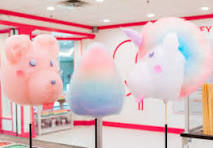
Whether you’re planning a unique party centerpiece, exploring a new creative hobby, or looking to add an Instagram-worthy element to your next event, this guide covers everything you need to know—from materials and techniques to design ideas and where to learn hands-on.
Origins & Visual Inspiration for cotton candy art
Cotton candy art has roots in street food culture, particularly in countries like China and Japan, where vendors transformed simple carnival treats into intricate edible sculptures. Street artists began crafting animals, flowers, and character designs that quickly went viral on social media platforms like Instagram and TikTok.
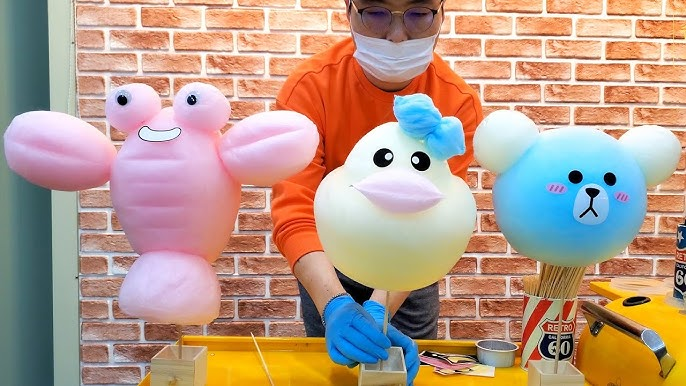
In the U.S., artisans featured in outlets like Rainbow Cotton Candy have adopted and refined these techniques, blending vibrant colors and delicate forms to create show-stopping designs for weddings, corporate events, and dessert tables.
Today, cotton candy art is used worldwide as both entertainment and edible décor, turning ordinary celebrations into memorable visual experiences.
Materials and Tools Needed
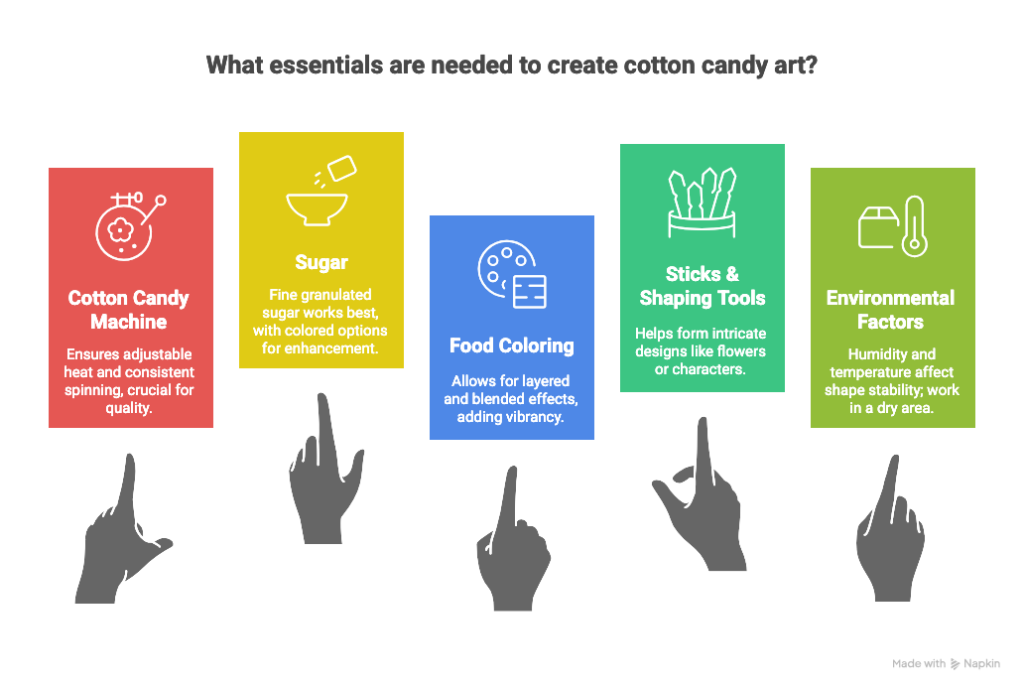
Before you start creating, gather these essentials:
Cotton candy machine: Look for adjustable heat settings and consistent spinning capability. Commercial-grade machines offer better control for detailed designs.
Sugar: Fine granulated sugar works best. Colored or flavored sugars can enhance both visual appeal and taste.
Food coloring: Gel or liquid food coloring allows for layered and gradient effects.
Sticks & shaping tools: Wooden skewers or specialty cotton candy tools help you form flowers, characters, and other intricate designs.
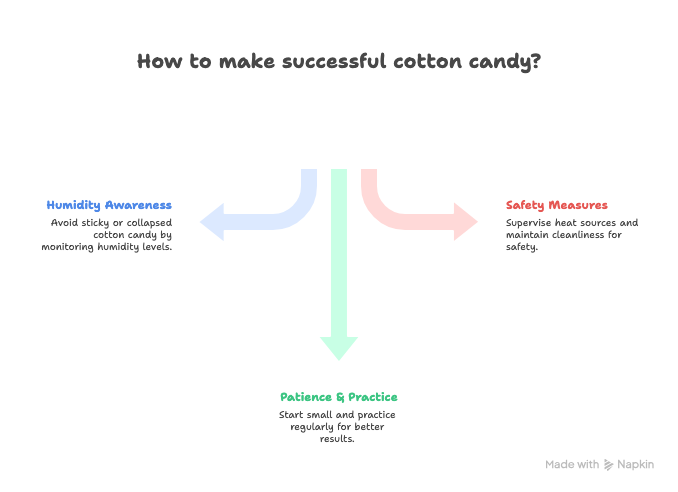
Environmental factors: Humidity and temperature directly affect shape stability. Always work in a dry, climate-controlled space for best results.
Step-By-Step Tutorial: How to Make Cotton Candy Art
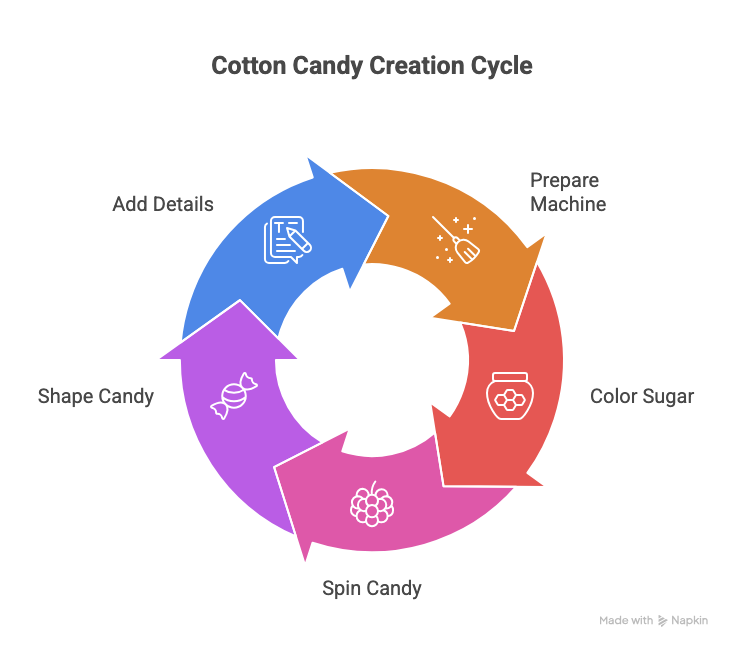
Step 1: Prepare the Machine & Workspace
Clean and assemble your cotton candy machine, then preheat it according to manufacturer instructions. Lay out sticks, shaping tools, and colored sugar bowls within easy reach
Step 2: Color Layering & Sugar Prep
Divide sugar into separate bowls and mix in your desired colors. Layering different colored sugars in the machine creates gradient or multicolor effects that make designs pop.
Step 3: Spinning & base Shaping
Pour sugar into the machine and begin spinning. Use sticks to gather the spun sugar and shape it into your base form—start with simple shapes like flowers or basic animals if you’re a beginner.
Step 4: Adding Details
Use finer strands of colored sugar or edible markers to add facial features, stripes, patterns, or other decorative elements. Work quickly, as cotton candy begins to lose shape in humid conditions.
common mistakes beginers make
- Working in humid environments: Humidity causes cotton candy to collapse or become sticky. Always work in a dry, air-conditioned space.
- Overhandling the design: The more you touch cotton candy, the more it compresses and loses its fluffy texture. Use tools instead of hands when possible.
- Using the wrong sugar consistency: Clumpy or coarse sugar won’t spin properly. Stick to fine granulated sugar for smooth results.
- Skipping color separation: Mixing colors directly in the machine creates muddy tones. Use separate bowls and layer intentionally.
Best Tips for Making Cotton Candy Art Last Longer
- Store in airtight containers immediately: This prevents moisture absorption and keeps designs intact for up to 24 hours.
- Avoid refrigeration: Cold environments introduce condensation, which dissolves cotton candy quickly.
- Use a dehumidifier in your workspace: Keeps the air dry and designs crisp during creation and display.
- Display under cover: If showcasing at an outdoor event, use protective domes or tents to shield from wind and humidity.
- Plan timing carefully: Create designs as close to the event as possible for maximum freshness and visual impact.
Cotton Candy Art FAQs
- What is cotton candy art made of? Cotton candy art is made from spun sugar, food coloring, and occasionally flavored extracts. The sugar is heated and spun into fine threads, then shaped by hand or with tools.
- How long does cotton candy art last? In ideal conditions (low humidity, airtight storage), cotton candy art can last 12–24 hours. In humid or warm environments, it may begin to melt or collapse within a few hours.
- Is cotton candy art safe for kids? Yes, cotton candy art is safe for children when made with food-grade sugar and coloring. However, adult supervision is required around the machine due to high heat.
- Can cotton candy art be made at home? Absolutely. With a home cotton candy machine, basic tools, and practice, you can create simple to intermediate designs. Advanced sculptures may require commercial equipment.
- How much does cotton candy art cost for events? Pricing varies by artist and design complexity. Expect to pay $5–$15 per piece for standard designs, and $50–$200+ for large custom sculptures or live demonstrations at events.
- What flavors can cotton candy art be made in? Any flavor that comes in sugar or extract form works—vanilla, strawberry, blue raspberry, grape, and even unique options like lavender or champagne.

How to Learn It: Classes & Workshops
Ready to learn hands-on? Book a cotton candy art class and gain skills you can use immediately.
What’s included in a typical class:
- Hands-on training with machines and shaping tools
- Sugar coloring, layering, and blending techniques
- Step-by-step projects: flowers, animals, and character designs
- Personalized feedback and troubleshooting support
Class details:
- Duration: 1–2 hours
- Skill level: Perfect for beginners or hobbyists
- Takeaway: You’ll leave with completed designs and the confidence to practice at home
Classes are ideal for aspiring dessert artists, event planners, or anyone looking to add a creative skill to their repertoire.
Cotton candy art combines nostalgia, creativity, and edible craftsmanship into one unforgettable experience. Whether you’re making simple flowers at home or booking a professional for your next celebration, the techniques and tips in this guide will help you create designs that delight both the eyes and the taste buds.
Start small, practice often, and don’t be afraid to experiment with colors, shapes, and themes. The beauty of cotton candy art is that every creation is unique—and deliciously temporary.