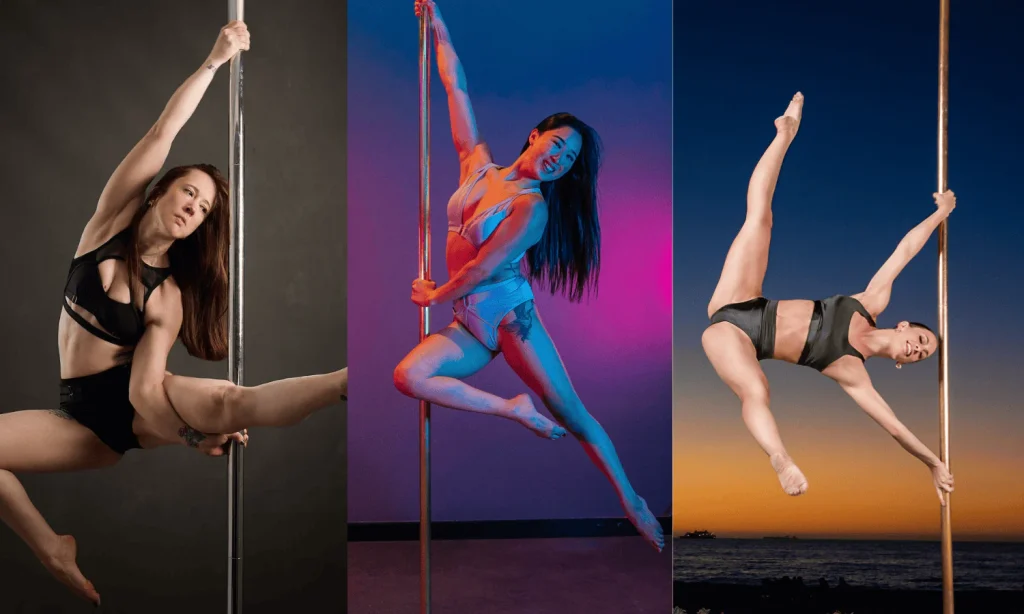
Pole dancing carries a lot of assumptions, but where do they actually come from? why is pole dance sexualized? For many people, the word “pole” instantly brings to mind clubs or adult entertainment. And while that association exists, it’s far from the whole picture. Pole dancing has a genuinely fascinating history, and over time it’s grown into a respected sport, a creative art form, and a powerful outlet for fitness and self-confidence for people all over the world.
History of pole dANCING
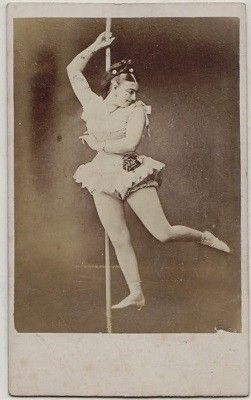
Pole dancing didn’t start in a club. Its roots stretch across cultures — from Indian mallakhamb and Chinese pole acrobatics to circus performance traditions. It was only later, particularly in Western countries, that it became linked to adult entertainment. Media played a big role in cementing that image, consistently highlighting the provocative side of pole while largely ignoring the strength, skill, and artistry that the practice actually demands.
Why is pole dance Sexualized
A few things have kept this perception alive:
- The strip club connection: For much of the 20th century, that was simply the most visible version of pole in mainstream culture.
- Lasting stereotypes: When people only ever see something in one context, it’s hard not to carry that association forward.
- A lack of exposure: Without seeing pole as a fitness discipline or art form, it’s easy to assume it’s nothing more than what’s shown on screen.
These factors layered on top of each other over decades, creating a stigma that persists even as the practice has moved well beyond those origins.
How Pole Has Changed
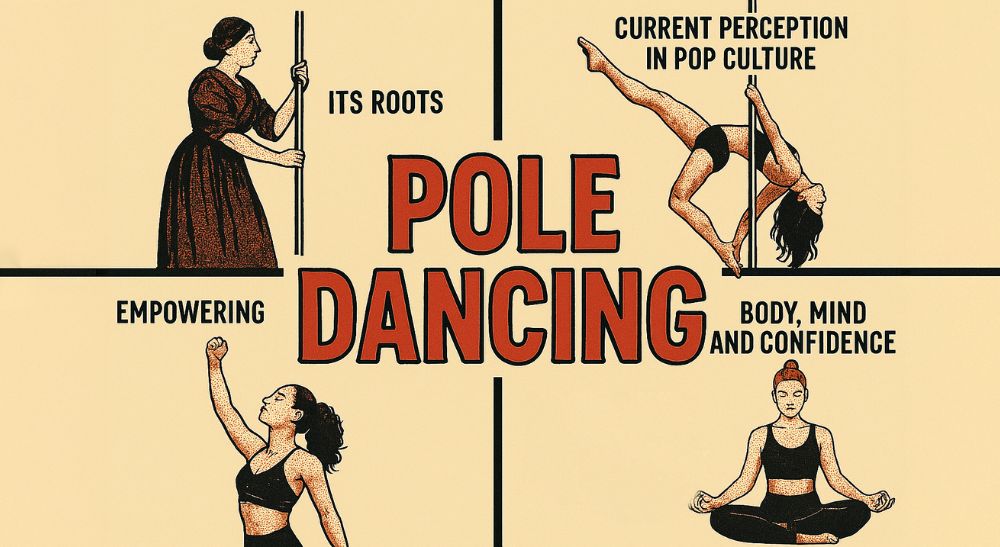
Today, pole is thriving in an entirely different space. Fitness studios, competitive circuits, and tight-knit online communities have done a lot to reshape the conversation. Social media in particular has opened people’s eyes — showcasing jaw-dropping tricks, raw strength, and genuine creativity that make it impossible to dismiss pole as anything less than athletic.
Pole as a Sport and an Art Form
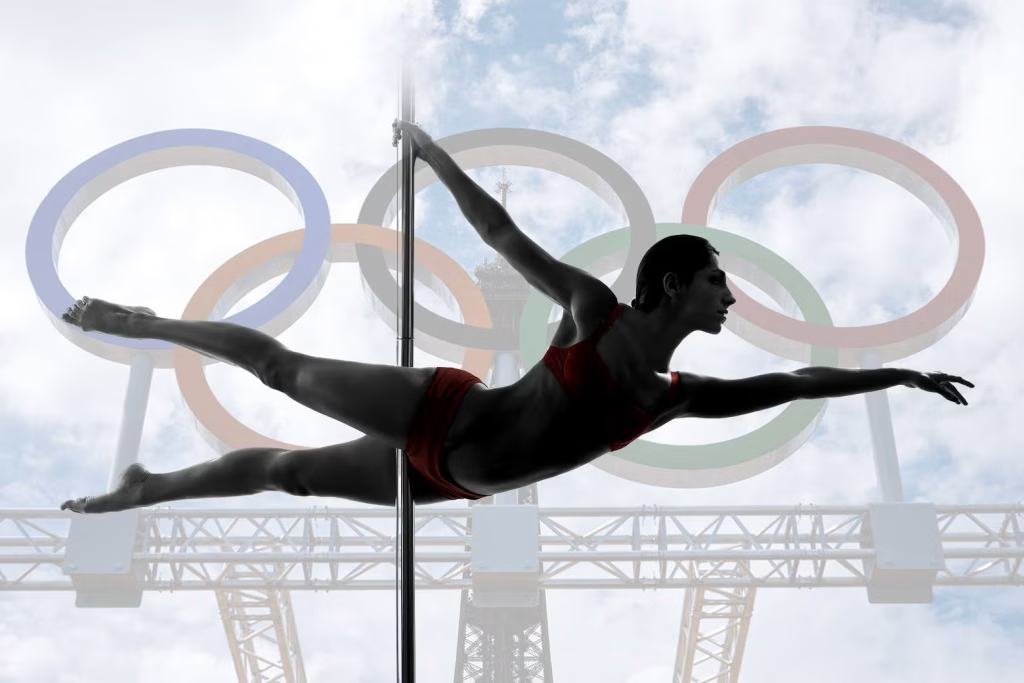
There’s a reason pole is increasingly recognized as both a sport and an artistic discipline:
- It demands real strength: Holding and lifting your own body weight on a pole builds serious muscle and endurance.
- The skill ceiling is high: Every trick and transition requires precision, timing, and body control that takes years to develop.
- It’s deeply creative: The combination of choreography, spins, and floor work gives dancers a genuine medium for self-expression.
That blend of physical challenge and artistry puts pole in a very different category than the one mainstream media tends to place it in.
Changing the Narrative
Shifting perception takes education and honest representation. The pole community has been doing exactly that — sharing competition footage, studio classes, and personal journeys that reflect just how diverse and inclusive the practice really is. Every authentic story shared online is another crack in the stereotype, helping more people understand that pole is ultimately about empowerment, strength, and creative expression.
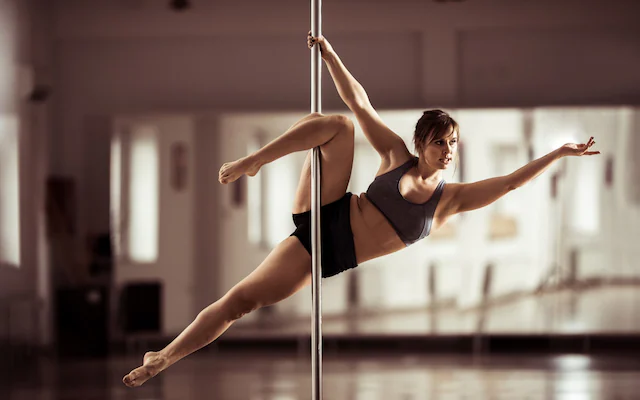
Pole dancing can absolutely be sensual — but that doesn’t make it inherently sexual. When you understand its history, appreciate the athletic demands, and see the artistry involved, the perception starts to shift naturally. At its core, pole is about confidence, fitness, creativity, and community.
Follow @auxi_poledancing to explore pole as a sport, build your confidence, and see what it’s really all about.